Diabetic foot and Charcot reconstruction
I'm Thomas Hester, a consultant foot and ankle surgeon at King's College Hospital, London, and part of the King's Diabetic Foot team. I treat ulcers, Charcot deformity and bone infection in the diabetic foot, and see patients who travel from overseas as well as from the UK.
جراحة القدم السكرية وإعادة بناء قدم شاركو — لندن
How treatment is planned
Blood supply, infection, glucose control and pressure are assessed together before surgery is decided on.
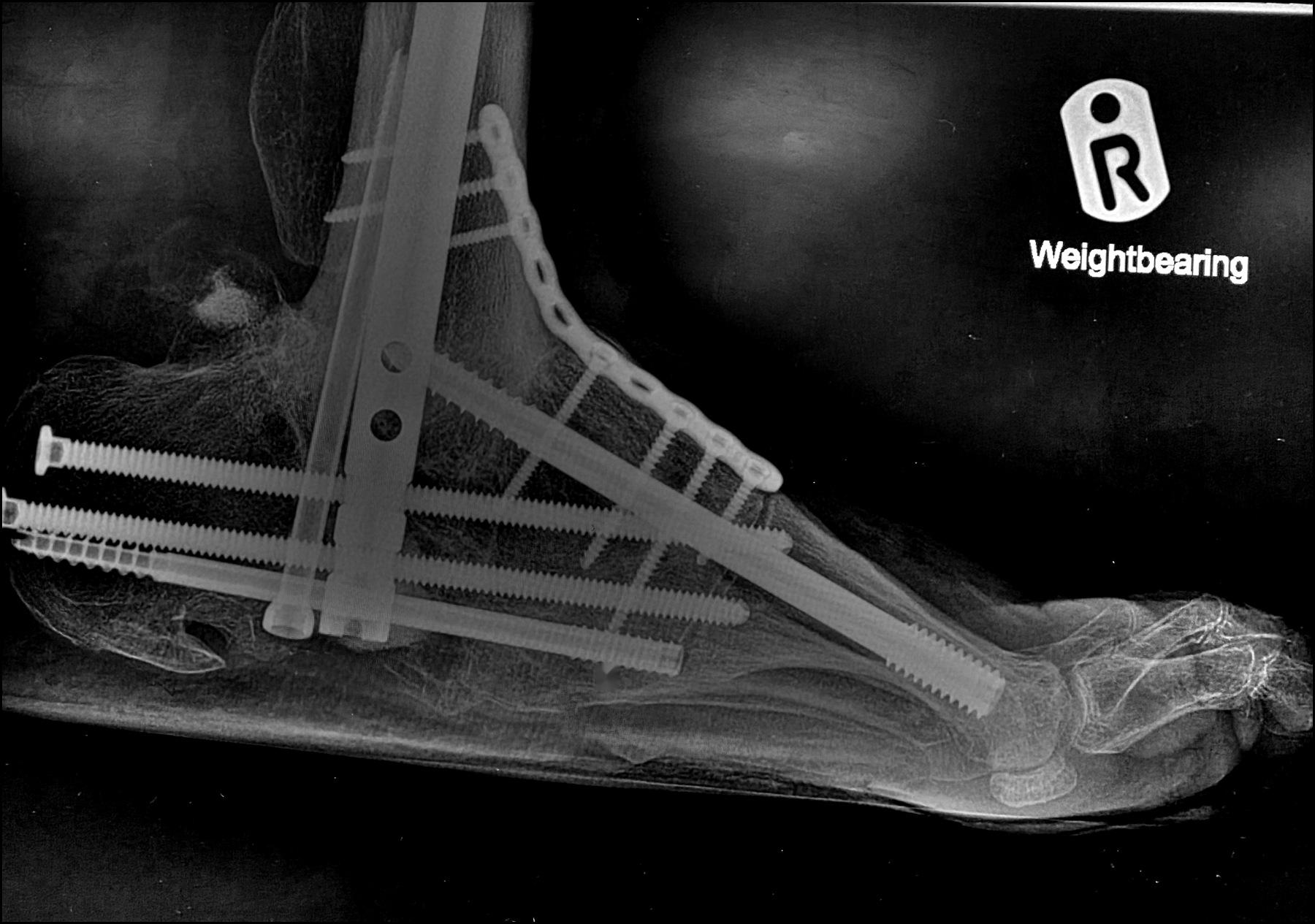
Ulcers tend to recur while the bone underneath is deformed. Correcting the shape of the foot is what keeps them healed.
Neuropathic bone heals slowly, so fixation is taken across long segments of the foot and ankle.
What I treat
Non-healing ulcers of the sole, toes and heel: offloading, debridement and small tendon releases that take the pressure off.
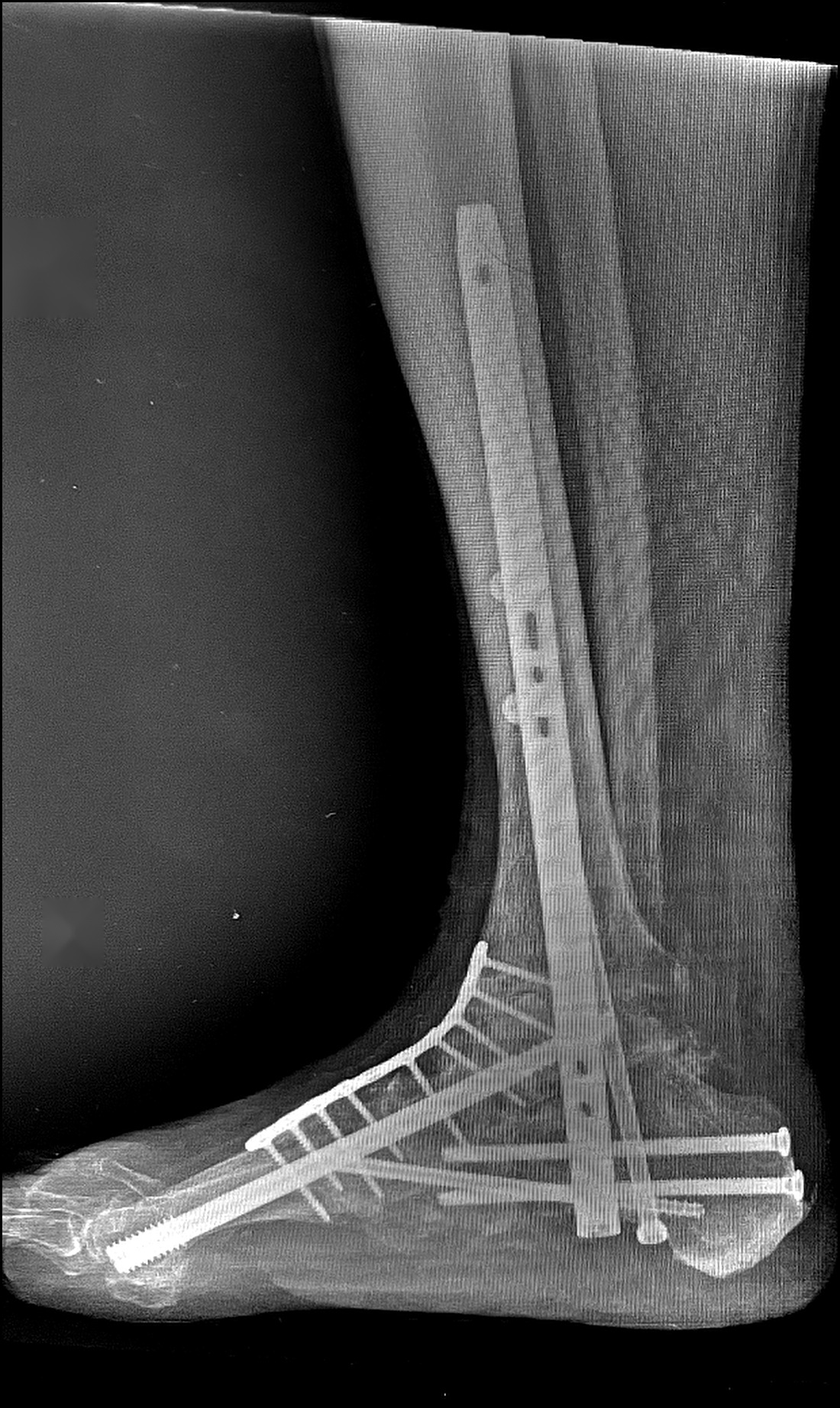
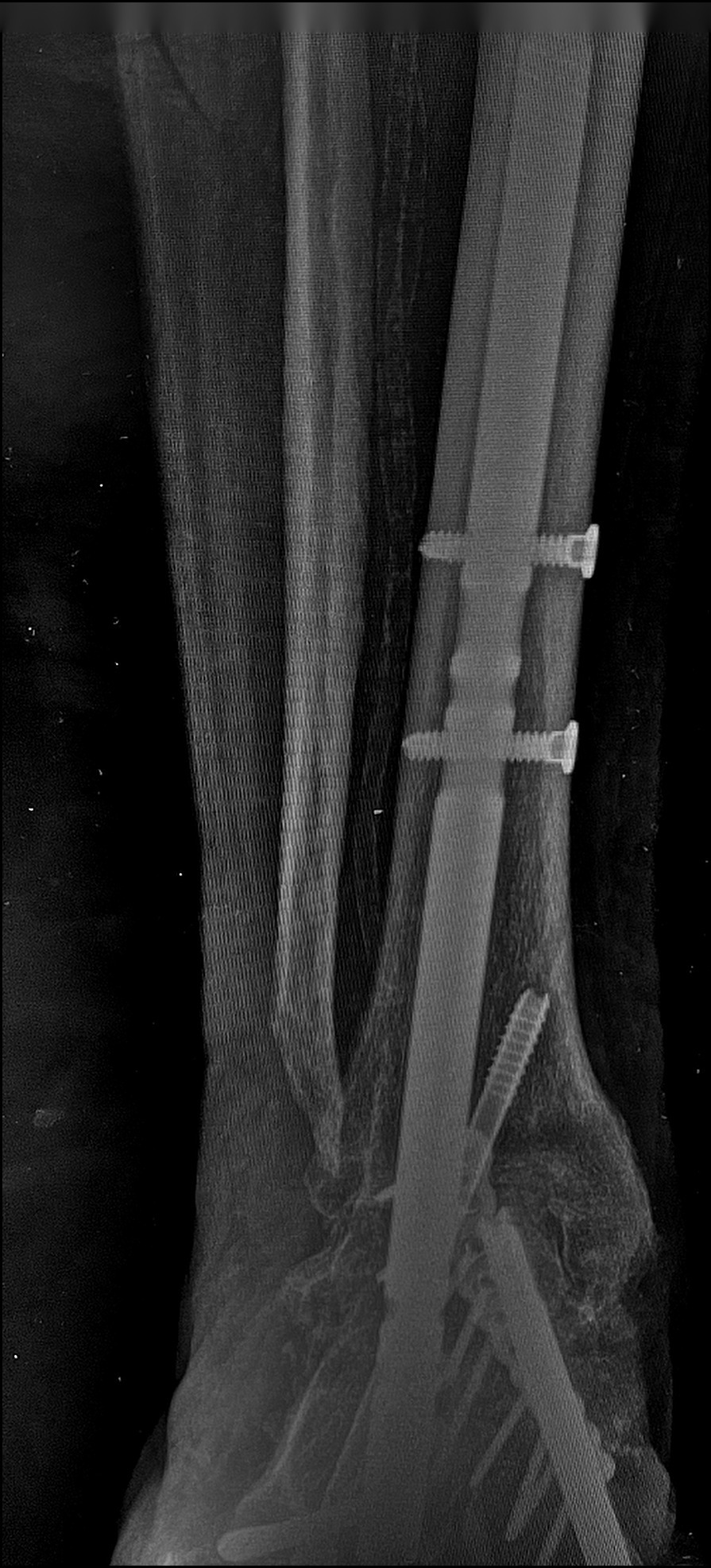
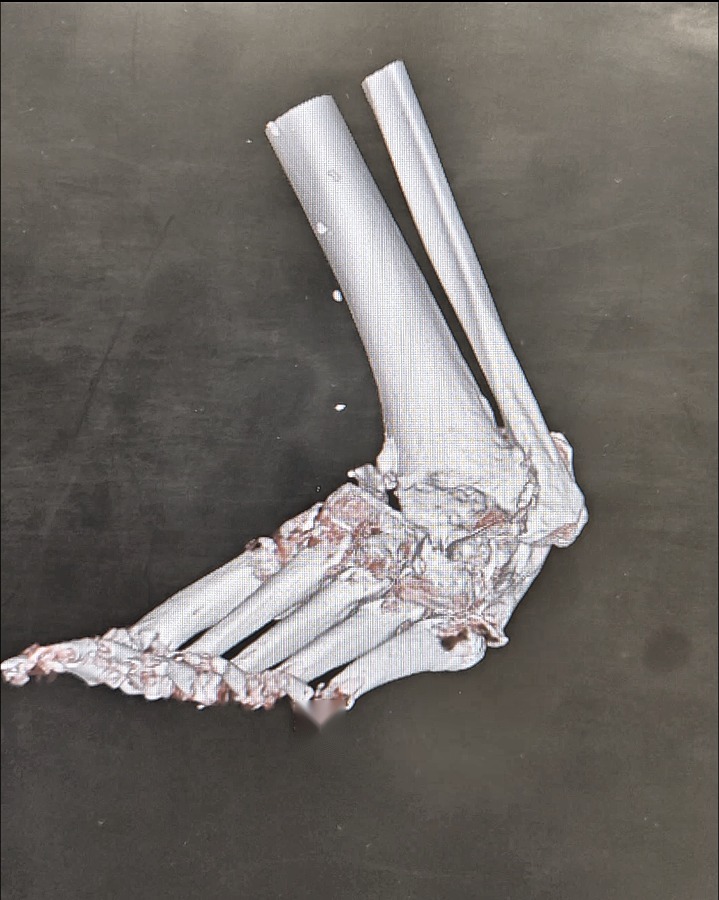
Read more →Charcot footMidfoot, hindfoot and combined deformity, from casting in the early stage through to reconstruction with nails, beams and plates.
Read more →Bone infectionDiagnosis with MRI and bone biopsy, targeted antibiotics, antibiotic-loaded bone graft and staged surgery.
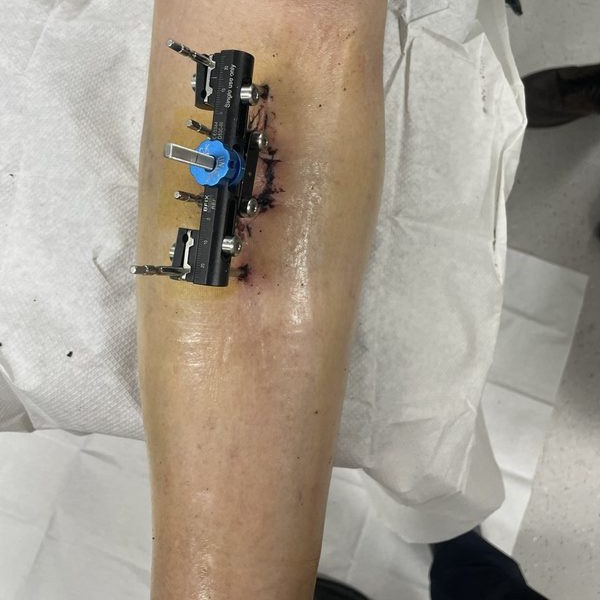
Read more →Transverse tibial transportFor the ischaemic foot when revascularisation has run out of options. I was the first surgeon in the UK to use the Cybion TTT system.
Read more →Ankle fractures in diabetesA higher-risk injury that usually needs stronger fixation and longer protected weight-bearing.
Read more →Publications and researchPapers and book chapters on the diabetic foot and Charcot reconstruction, each with a plain-English summary.
Read more →One plan, agreed across specialties
Treatment is planned with colleagues in vascular surgery, diabetology, plastic surgery, microbiology, podiatry and orthotics. This is the model used in the NHS diabetic foot service at King's, and the way I arrange private and international care.